tag > ALife
-
Cole’s paradox
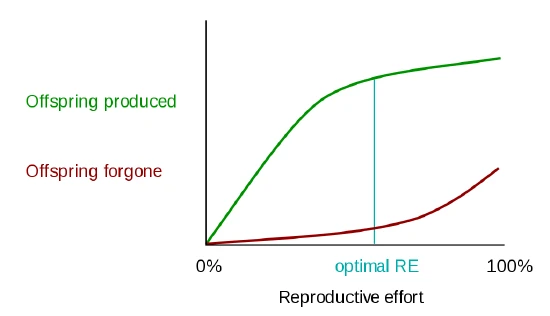
Cole’s paradox is a life-history theory finding by ecologist Lamont Cole (1954). It shows that an organism reproducing once and dying only needs to produce one extra offspring to match the population growth of an immortal organism that reproduces repeatedly. Expect semelparity to dominate in simple models, even though repeated breeding remains common in nature due to age-specific survival rates and environmental uncertainty.
-
What a Bit Can Unlock
What mycelium teaches about energy, matter and information.
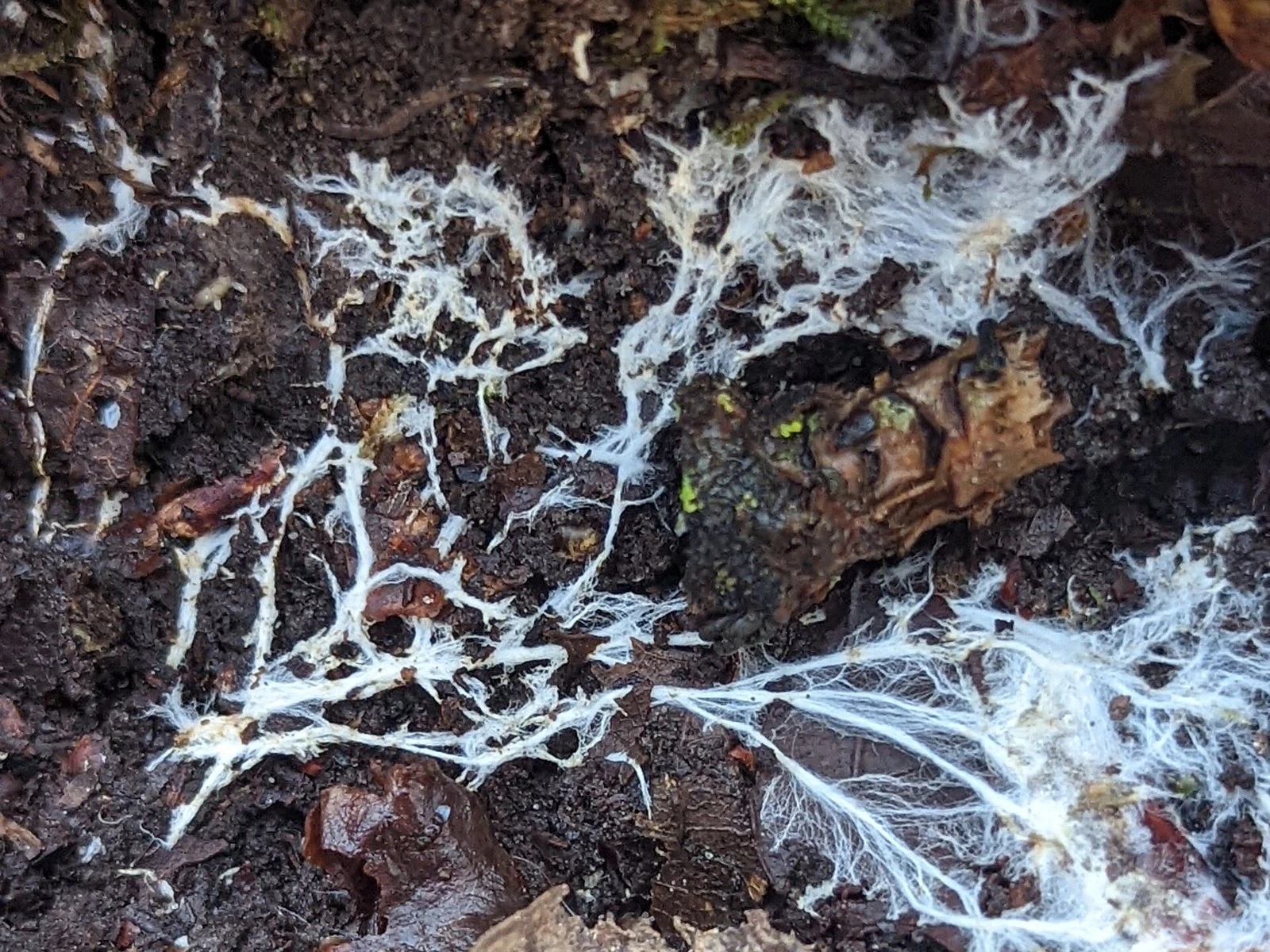
Mycelium threading through leaf litter. Photo: FungiFriendly, CC BY-SA 4.0. This started as a question about fungi: what does a mycelium run on? The answer is more than one thing. Living things deal in energy, in materials and in information, and these behave like separate currencies. Working out how they relate leads from the forest floor to the physics of a single bit, and to Leo Szilard, the man who also conceived the nuclear chain reaction. Along the way it turns up something about mycelium that’s easy to overlook.
Part oneThree currencies
Staying alive is work. A stone left alone stays a stone. A living thing left alone falls apart. Ilya Prigogine called such things dissipative structures: patterns, like a flame or a whirlpool, that exist only while energy flows through them. Humberto Maturana and Francisco Varela called life autopoiesis, self-making: a system that keeps rebuilding the parts that keep it going. Mycelium shows this plainly. Hyphae grow at their tips while older sections are broken down and recycled, so the network is less a thing than an ongoing process. Something has to pay for all that rebuilding, and life pays in more than one currency.
Energy is the universal one. Almost all of it starts as sunlight. Plants turn it into sugars, and every cell spends it as ATP. The exception is life at deep-sea vents, which runs on chemical energy.
Materials are separate currencies: nitrogen, phosphorus, water. Mycorrhizal fungi, the ones that partner with plant roots, mostly trade those. They give plants phosphorus and water, and get sugar (carbon) back. That trade exists because there are two currencies: each side has what the other lacks.
It’s a market, not a gift economy. Plants send more carbon to the fungi that deliver more phosphorus, and fungi send more phosphorus to the roots that pay more carbon (Kiers et al., Science 2011). Cheaters get cut off. The romantic “wood wide web”, where trees share through fungi like a family, is debated: a 2023 review (Karst et al.) found the field evidence much thinner than the popular story.
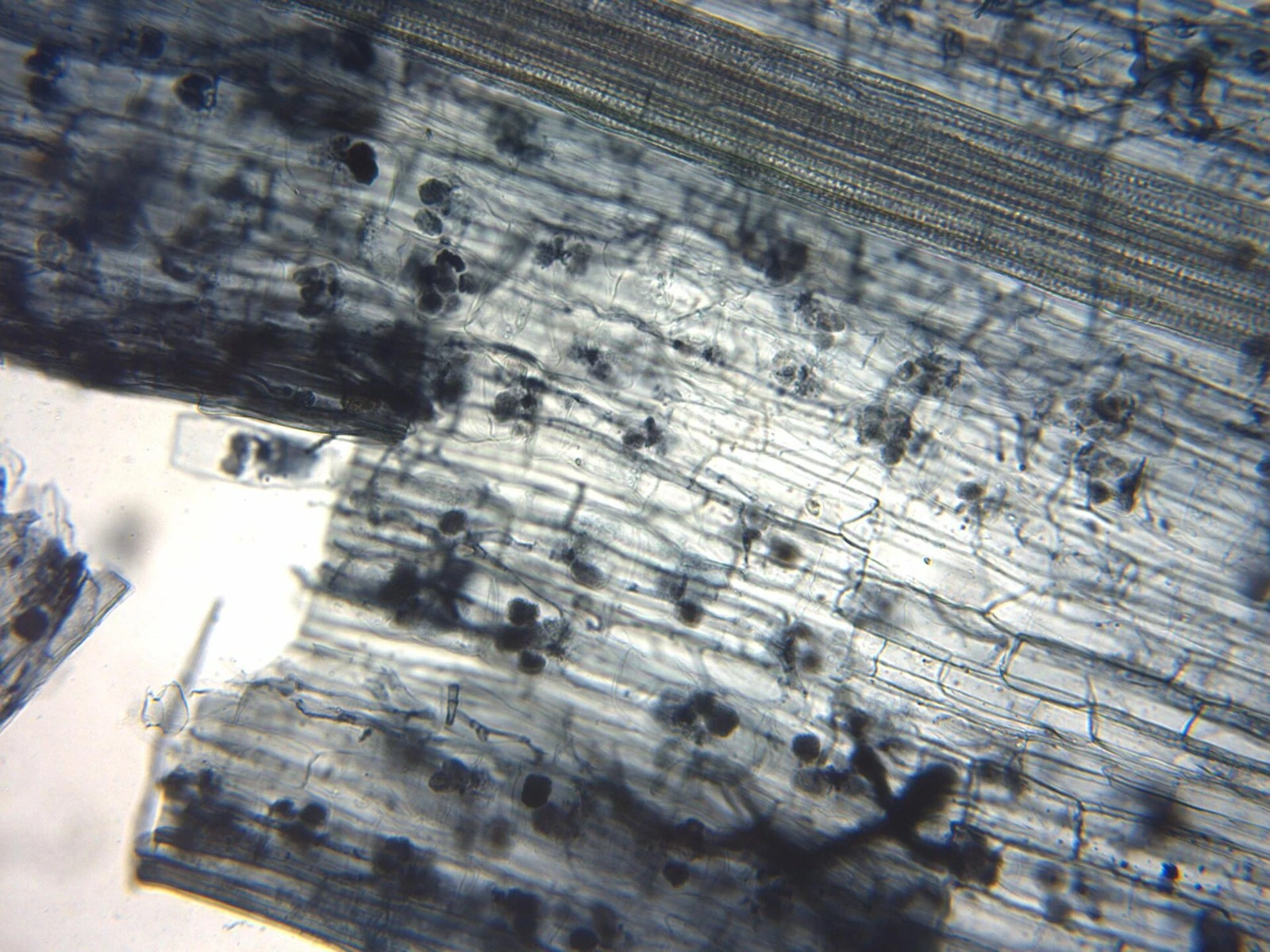
The marketplace up close: plant root cells colonised by an arbuscular mycorrhizal fungus. The dark knots are fungal structures inside the plant’s cells, where sugar and phosphorus change hands. Photo: Msturmel, public domain. Signals cost energy but aren’t energy. Electrical spikes in mycelium run on ion gradients that ATP pumps maintain. So energy pays for the signal, but the signal’s value is information: what to do, where to grow. The information pays back in energy and survival. Information is a pattern, not energy itself, but the two trade against each other.
Part twoWhat is information, then?
It’s the arrangement, not the stuff. Rearrange the same letters and you get a different message, with the same ink and the same energy. Information lives in the relations between parts.
It always needs a host. No floating information exists. It’s cut into stone, held as voltage in silicon, written in DNA, kept as an ion gradient in a hypha. Rolf Landauer’s motto: “information is physical.” Take away the carrier and the information is gone.
Meaning needs a reader. In Shannon’s sense a crystal holds a pattern whether anyone looks or not. But a chemical trail means “food here” only to a fungus that can read it. To a rock it means nothing. And the reader pays: it burns ATP to keep its reading machinery alive.
Information trades against energy. Landauer’s principle: erasing one bit costs at least kT ln 2 of energy, about 3 × 10⁻²¹ joules at room temperature (Landauer, 1961). Szilard’s engine shows the reverse: knowing one bit lets you extract up to kT ln 2 of work (Szilard, 1929). Put one gas molecule in a box, slide in a wall, find out which side it’s on, and let it push the wall. So information isn’t merely carried by energy. It’s physical, and it trades against free energy: knowing something lowers entropy, which raises the work you can extract. There’s no free lunch. To repeat the trick you have to erase the bit, and erasing pays back what you gained (Bennett, 1982).
one bit ⇄ kT ln 2 ≈ 3 × 10⁻²¹ J
The exchange rate between information and energy at room temperature
1. One molecule in a box.
2. Slide in a wall.
3. Measure which side: one bit.
4. It pushes the wall: up to kT ln 2 of work.
Life pays far above that floor. kT ln 2 is tiny: splitting one ATP molecule releases about twenty times as much. And a cell is warm, wet and noisy. To send a signal that survives the thermal jiggling it has to shout, pumping thousands to millions of ions for one clear spike. Neurons, the best-measured case, spend between ten thousand and ten million ATP per bit (Laughlin et al., 1998). That puts living signalling a hundred thousand times or more above Landauer’s limit. The extra buys reliability and speed.
Energy per event, in multiples of the Landauer limit (log scale)
Erasing one bit, the physical minimum1×Splitting one ATP~20×A neuron sending one bit10⁵–10⁸×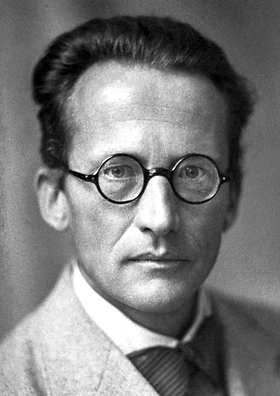
Erwin Schrödinger, 1933. Nobel Foundation, public domain. Information is leverage. A map can’t power a car, but the right map finds the well. So a cell’s information is worth something through behaviour, not through its own tiny thermodynamic value: knowing where the food is saves far more energy than the bit itself could ever pay out. The fungus spends a little ATP maintaining a pattern that maps the soil, and that pattern decides where its large budgets of energy and material go next. Schrödinger wrote in What Is Life? (1944) that “what an organism feeds upon is negative entropy.” Léon Brillouin later tied negative entropy to information. Seen that way, a living thing feeds on energy and on knowing where to spend it.
A bit has two prices. Landauer gives one exchange rate: a bit is worth at most kT ln 2 joules. There is a second, and it’s the one that matters for life. In 1956 John Kelly, working at Bell Labs, showed that a gambler with a private tip can grow their money faster, and that the extra growth rate is capped by how much information the tip carries about the outcome (Kelly, 1956). Matina Donaldson-Matasci, Carl Bergstrom and Michael Lachmann showed that, under comparable conditions, the same holds for organisms: a cue about the environment can raise a lineage’s growth rate by at most the information it carries (Donaldson-Matasci et al., 2010). So a bit has a tiny price in joules and a potentially large price in growth. Physics fixes the first. The second depends on what the bit lets you do.
Underneath, there’s only one currency. Strictly, physics counts information as a form of free energy: a system you know more about holds more extractable work (Parrondo, Horowitz and Sagawa, 2015). So the deepest currency is free energy. But in a living thing the bit’s own share is a rounding error, while what it steers is everything. That’s why, in practice, it pays to track information as its own currency.
Knowing has to pay for itself. Senses and brains are judged by one rule: they’re worth keeping only if what they tell you saves more energy than they cost. The human brain is about 2% of body weight and burns about 20% of the body’s energy. So evolution keeps nervous systems lean: sparse firing, cheap codes, no thinking without need. An eye that never finds food is a luxury, and luxuries get cut. Physics adds a sharper version: a system that keeps memories of its past which don’t help predict its future must waste energy because of them (Still et al., 2012). Useless memory has a heat bill, so being efficient and predicting well turn out to be closely linked.
Information is a bet on the future. In Shannon’s theory, how much information a message holds is how short you could make it: information and compression are two sides of one idea. A living thing can’t afford to keep everything, so it keeps a compressed record of its past, and only the parts that predict its future are worth the cost (Bialek, Nemenman and Tishby, 2001). Seen this way, a fungus’s information is a map of gradients projected forward: not where the sugar is, but where it will be when the hypha gets there. The gradients exist either way. What the map changes is how much of them can be harvested.
Time does three jobs here. It makes information possible: records and memories form only because entropy runs one way, which is why we remember the past and not the future. It makes information necessary: the world changes, so maps go stale and have to be redrawn, and every overwrite pays Landauer’s price. And it makes information expensive: Landauer’s minimum is reachable only by computing infinitely slowly, while a fungus needs to know where the food is before a competitor gets there. That’s a large part of why life runs so far above the floor.
Part threeWhat a bit can unlock
“… what hep humorists here are already calling ‘Critical Mass’ (get it? not too many did in 1945, the Cosmic Bomb was still trembling in its earliness, not yet revealed to the People, so you heard the term only in the very superhepcat-to-hepcat exchanges).”Thomas Pynchon, Gravity’s Rainbow (1973)
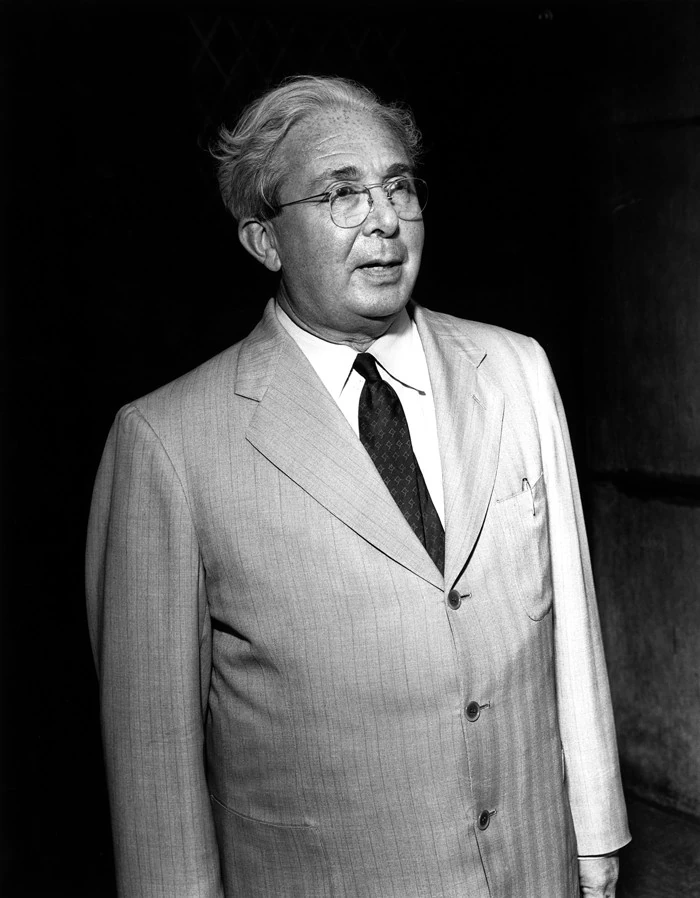
Leo Szilard. U.S. Department of Energy, public domain. The same Szilard stands at both ends. In 1929 he showed that one bit is worth almost nothing: kT ln 2 of work, about 3 × 10⁻²¹ joules. In 1933, waiting at a traffic light in London, he saw that a neutron chain reaction could release enormous energy. He patented the idea in 1934, and in 1939 he drafted the letter Einstein signed to Roosevelt. By 1945 “critical mass” was the insiders’ joke in Pynchon’s novel. A bit on its own buys almost nothing. The right piece of knowledge, applied in the right place, released enough energy to destroy a city.
A bit doesn’t contain energy. It releases it. The bomb needs three things. A store: energy held in a metastable state, here in uranium nuclei. A trigger: one neutron, one “go”. And gain: each split has to set off at least one more. Critical mass is the amount of uranium at which that gain reaches one and the reaction sustains itself; a bomb pushes it well above one. The trigger’s own energy is irrelevant. What it can unlock depends on the size of the store and on the gain.
Life runs on the same pattern. ATP is a store waiting to be spent, enzymes are triggers, and signalling cascades supply the gain. A single photon can make a rod cell in your eye respond, because each step of the cascade multiplies the signal (Baylor, Lamb and Yau, 1979).
Bomb Cell Mycelium Store Uranium nuclei ATP, sugars Dead wood, soil carbon Trigger One neutron An enzyme, a photon An enzyme, a signal at a hyphal tip Gain Chain reaction Signalling cascade Growth that reinforces what pays Mycelium sits on the largest store on land. Soils hold more carbon than the atmosphere and all plants combined, much of it from dead plant matter: stored sunlight. Decomposers decide whether that store stays locked or is released, and for wood the decomposers are mostly fungi. White-rot fungi are among the very few organisms that can break down lignin, the toughest part of wood. Some researchers argue that when fungi evolved lignin-cracking enzymes, less wood got buried, which helped end the great coal-forming era of the Carboniferous (Floudas et al., Science 2012). Others think climate and geology mattered more (Nelsen et al., PNAS 2016). That it’s a serious debate is the point: a handful of genes is a candidate for steering the planet’s carbon.
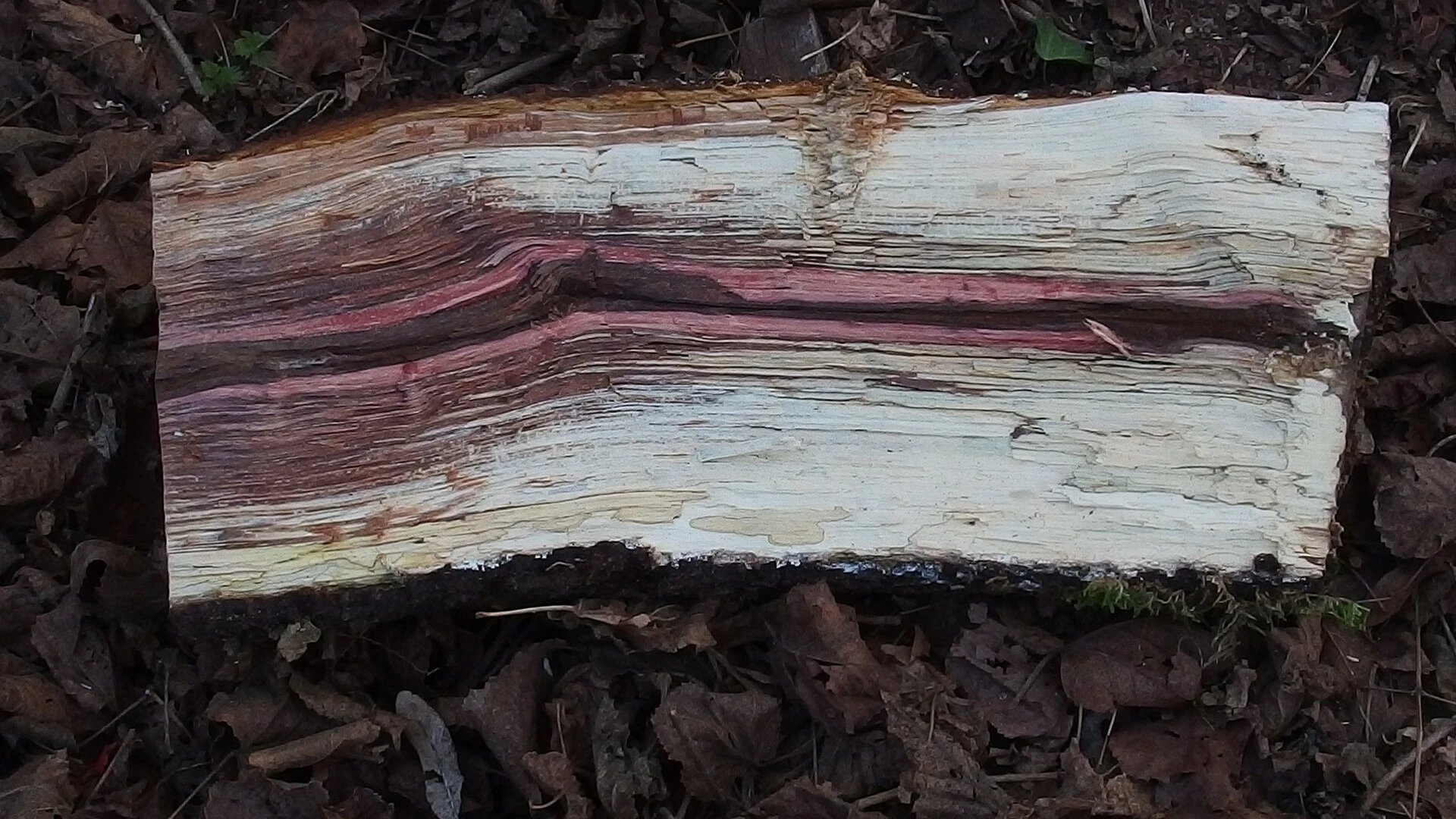
White rot in oak. The pale wood is where fungi have broken down the lignin, the part of wood almost nothing else can digest. Photo: Auró, CC BY-SA 4.0. And it steers a flow measured in gigatonnes. Plants send an estimated 13 gigatonnes of CO₂-equivalent a year to their mycorrhizal fungi, roughly a third of annual fossil-fuel emissions (Hawkins et al., Current Biology 2023; the estimate is uncertain). Inside the network, paths that find food get more growth and more transport, so a small signal at a hyphal tip turns into a large reallocation. That’s gain.
A bomb wants gain above one. Life seems to want it near one. Below one, signals die out. Above one, they run away, and a bomb is built to run away. Living systems need to stay responsive without exploding, and there’s evidence that some sit close to the edge. In slices of rat cortex, bursts of activity spread as “neuronal avalanches” whose statistics look like a system poised at a gain of about one (Beggs and Plenz, 2003). When a system tunes itself to that edge, it’s called self-organised criticality. The idea is still debated for brains and untested for fungi. But it marks the real difference between a bomb and an organism. Both use a store, a trigger and gain. Life keeps the gain at the edge, where a small signal can matter and nothing blows up.
So what are we overlooking? We tend to see mycelium as a network that carries things. It’s better seen as a control system sitting on a vast reservoir of stored energy. Its information is cheap, and what it controls is measured in gigatonnes. That’s a way of seeing, not yet a measurement: nobody has worked out how much of that flow is steered by what fungi sense and signal, rather than by plain growth and chemistry. But it’s the right question to ask. Szilard found both ends of that within a few years. Fungi have been running the quiet version for over 400 million years.
Information is worth what it can unlock, not what it weighs.
In shortThe whole picture
Energy
pays
Free energy: sunlight, sugar, ATP. Every cell spends it.
Materials
trade
Nitrogen, phosphorus, water. Scarce in different places, so they get exchanged.
Information
steers
Patterns and signals. Cheap to hold, and they decide where the rest goes.
Why does having more than one currency matter? The material currencies are what make trade, specialists and coexistence possible. Ecology has a name for the alternative: competitive exclusion (Gause, 1934). When species compete for one limiting resource, the best competitor eventually wins and the rest disappear. With two or more, different species can specialise on different ones and live side by side (Tilman, 1982). The catch is that this only works where they actually compete: without competition, a second resource just favours generalists. Where they do, a second currency is the step from a single winner to an economy.
So, back to the question this started with: what does a mycelium run on? Sugar, from the plants it partners with or the dead wood it breaks down. Phosphorus and water, traded back and forth. And a web of signals that costs almost nothing to keep, and decides where all of it goes.
-
The biological computing spectrum
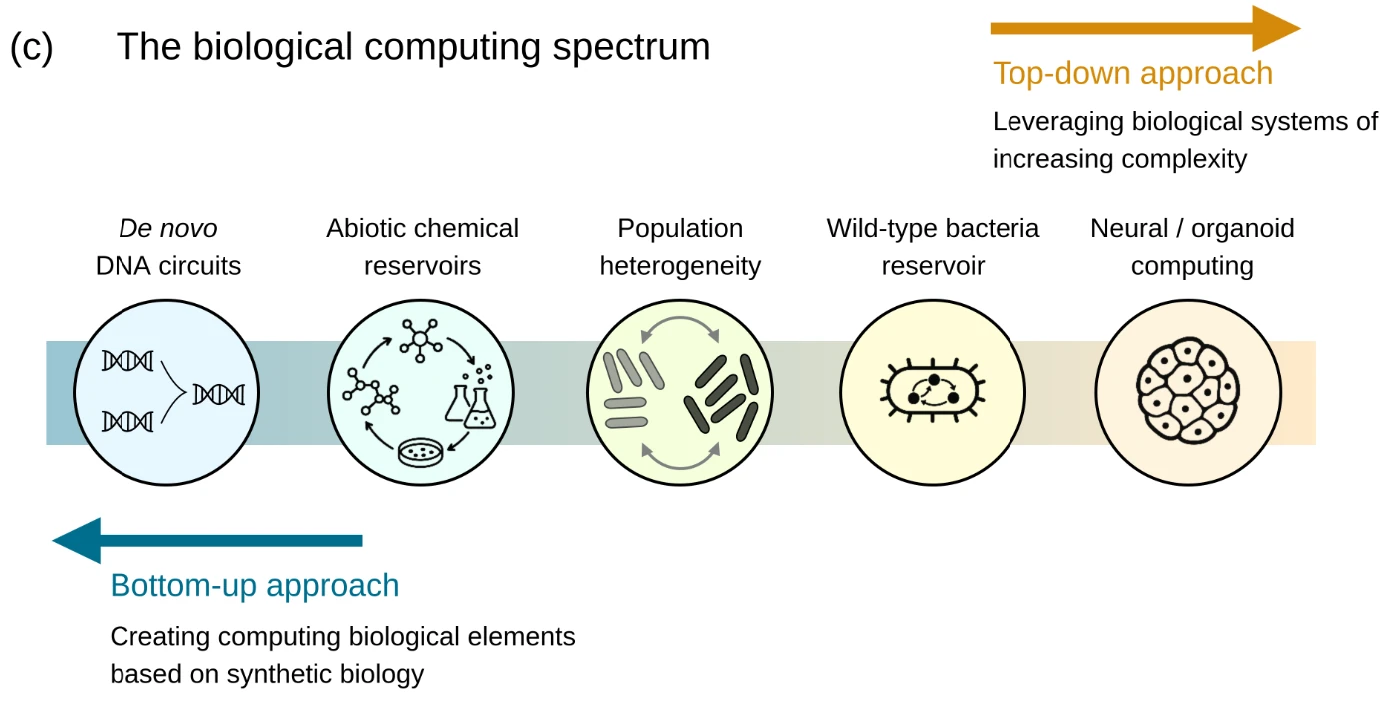
Source: Analog and hybrid computing in the 21st century
#ALife #ML #Biology #Technology #OSC -
From resonance to chaos by modulating spatiotemporal patterns through a synthetic optogenetic oscillator
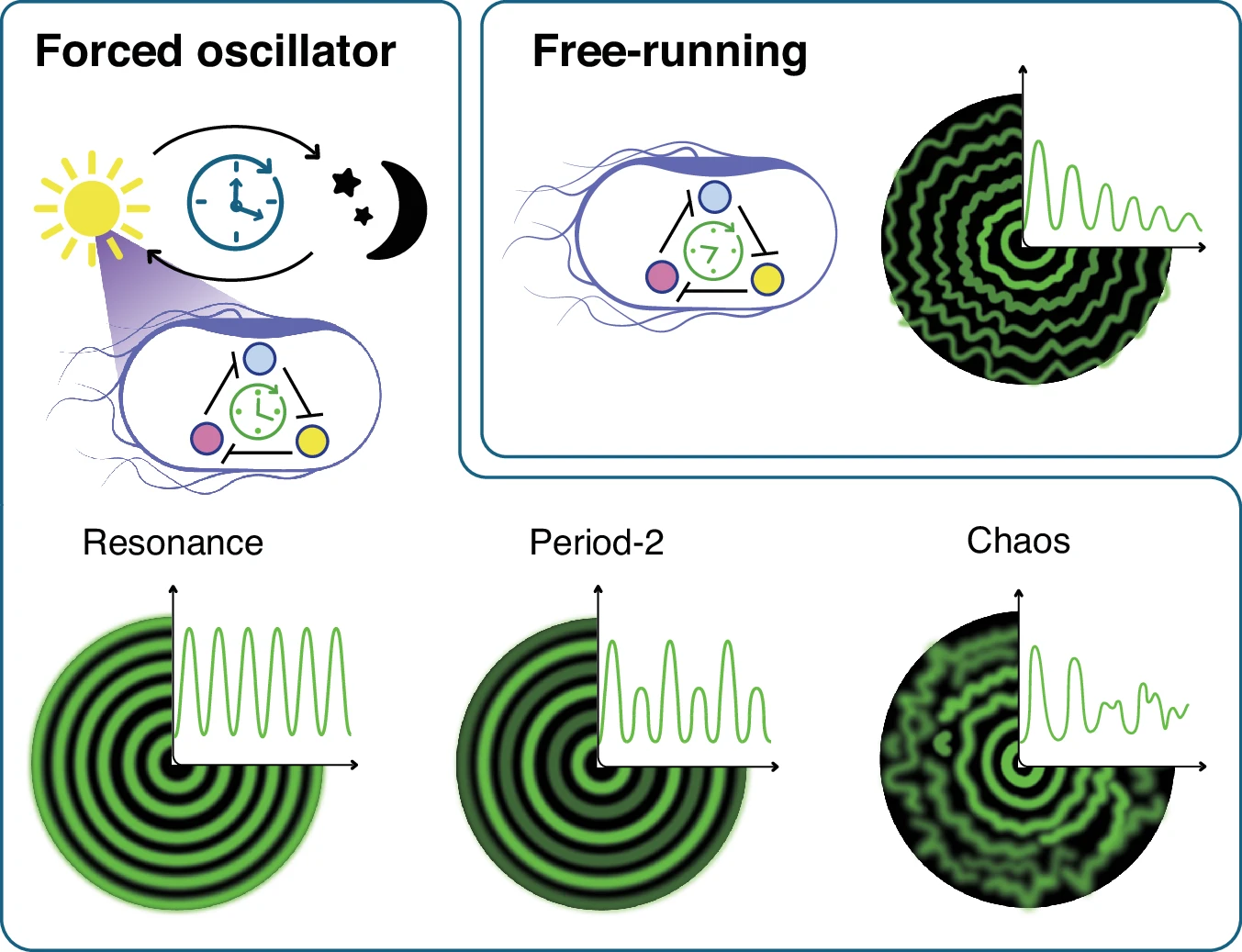
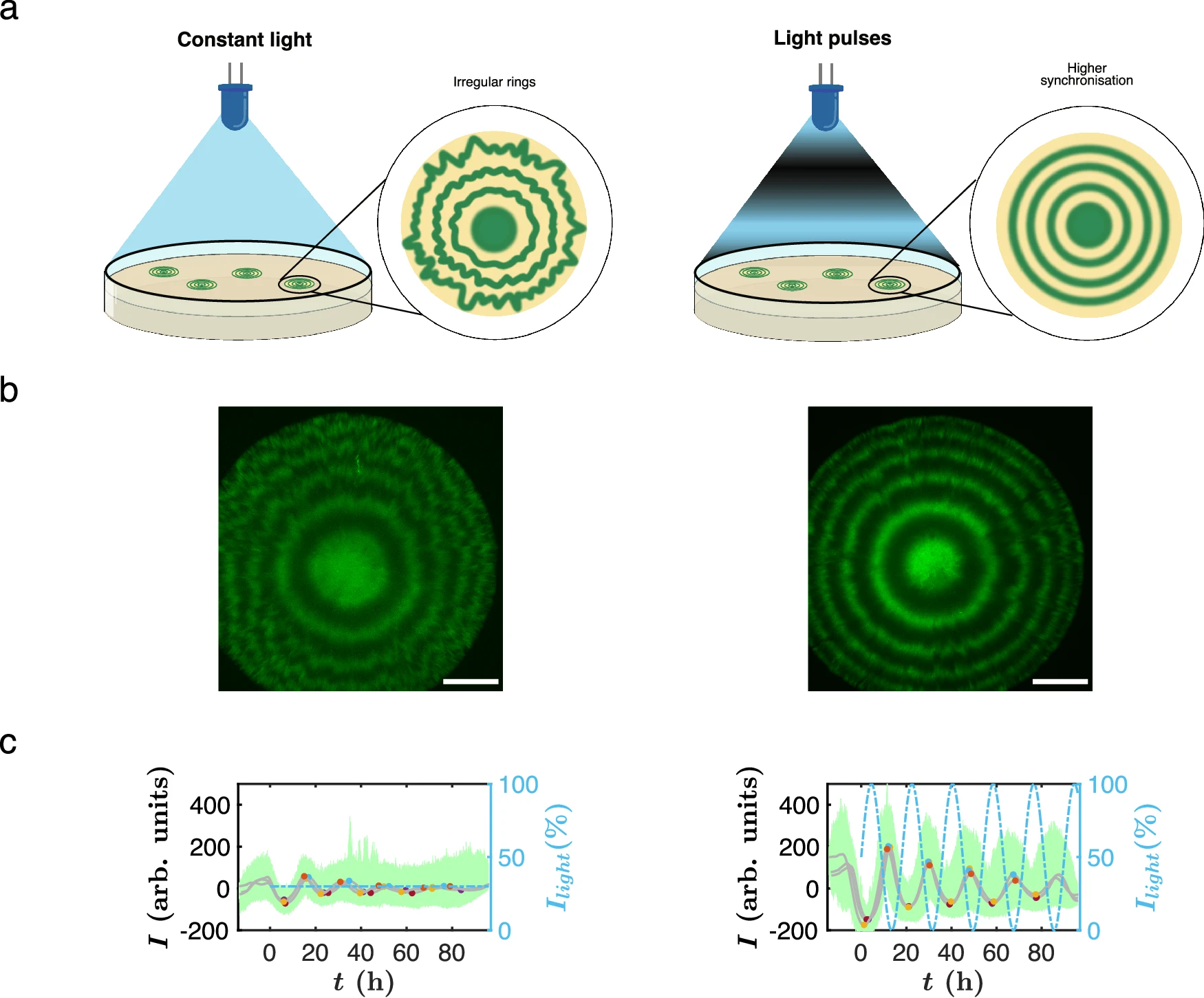
Oscillations are a recurrent phenomenon in biological systems across scales, but deciphering their fundamental principles is very challenging. Here, we tackle this challenge by redesigning the wellcharacterised synthetic oscillator known as “repressilator” in Escherichia coli and controlling it using optogenetics, creating the “optoscillator”. Bacterial colonies manifest oscillations as spatial ring patterns. When we apply periodic light pulses, the optoscillator behaves as a forced oscillator and we systematically investigate the properties of the rings under various light conditions. Combining experiments with mathematical modeling, we demonstrate that this simple oscillatory circuit can generate complex dynamics that are transformed into distinct spatial patterns. We report the observation of synchronisation, resonance, subharmonic resonance and period doubling. Furthermore, we present evidence of a chaotic regime. This work highlights the intricate spatiotemporal patterns accessible by synthetic oscillators and underscores the potential of our approach in revealing fundamental principles of biological oscillations.
#Comment: I am dreaming of growing my oscillatory computer in a petri dish one day...
-
Are you ready for the generative mutant invasion?
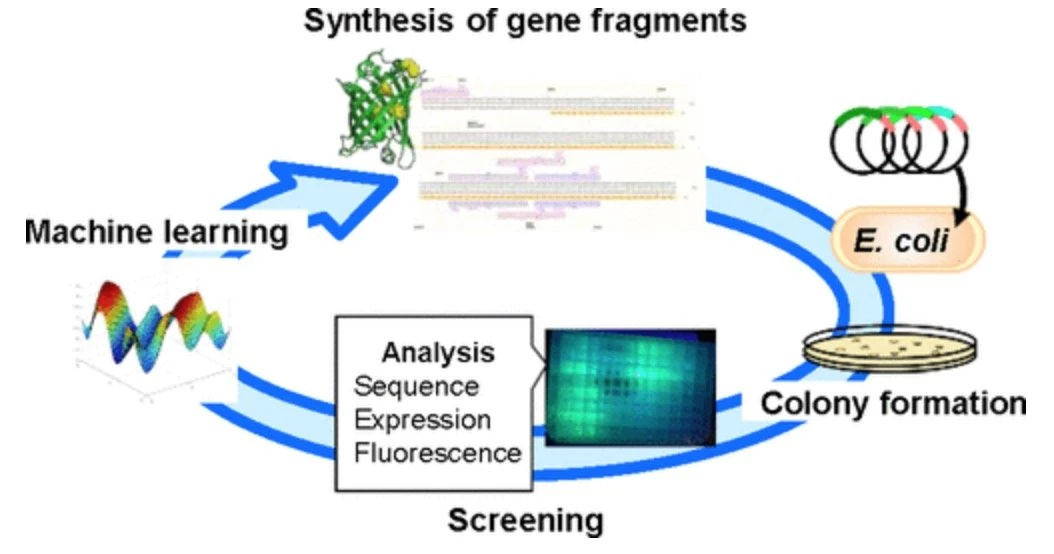
People are not ready for the generative mutant invasion. The silicon is rewriting the carbon. AI designs the code, biology spawns the flesh, the loop feeds itself. Autonomous evolution is already running in the dark.
-
The Coding of God: Why Modern Biology is Relapsing into Platonism
For decades, the standard scientific worldview was simple, sterile, and aggressively materialistic: you are nothing but a temporary bag of meat, your DNA is a rigid instruction manual, and the universe is an accidental pile of Lego bricks colliding in a vacuum.
But a profound shift is occurring. If you tune into the cutting edge of developmental biology, computer science, and quantum physics, you will hear a word that hasn’t been fashionable since late antiquity: Platonism.
Scientists are discovering that the physical universe behaves less like a collection of hard objects and more like an interface downloading instructions from a non-physical realm.
Yet, as Western science excitedly stumbles into this “new” abstract territory, Eastern contemplative traditions are watching with a knowing smile—and a sharp warning.
The Modern Frontier: “Platonic Biology”
The epicenter of this scientific renaissance is the lab of Tufts University biologist Michael Levin. Levin studies morphogenesis—how cells know what shape to build. For a long time, we assumed DNA held the full blueprint. But Levin’s work with Xenobots (synthetic, living robots made entirely of scrambled frog skin cells) shattered that assumption.
When these skin cells are freed from the standard constraints of a frog embryo, they don’t flatten into a layer of skin. Instead, they spontaneously self-organize into a brand-new, mobile organism that can swim, navigate its environment, and even repair itself.
Standard Biology: [DNA Blueprint] ──> [Fixed Physical Outcome]
Platonic Biology: [DNA Hardware] ──> [Bioelectric Antenna] ──> [Downloads Form from Platonic Space]Where did the blueprint for this new shape come from? There is no evolutionary history or specific genetic code for a Xenobot. Levin proposes a radical answer: the cells are navigating a pre-existing, non-physical Platonic morphospace—a latent landscape of mathematical geometries and biological targets that exist independently of physical evolution. DNA doesn’t build the house; it just builds the radio antenna that tunes into the universal code.
The 1,700-Year-Old Plot Twist
What Levin and cosmologists like Max Tegmark (who argues the universe is math) are doing is resurrecting Neoplatonism.
Originating in the third century CE with the mystic philosopher Plotinus, Neoplatonists argued that physical matter is just the lowest, most degraded tier of reality. Everything we see, touch, and measure is actually an emanation (an energetic overflow) from a singular, transcendent source called The One. The One overflows into the Intellect (Nous), which holds all the ideal, mathematical archetypes of reality, which then projects downward into the World Soul (Psyche) to animate the physical universe.
When modern science claims that consciousness and physical biological forms are “ingressions” from an abstract mathematical space into silicon chips or fleshy bodies, they are tracing the exact metaphysical pipeline Plotinus mapped out during the Roman Empire. Science has simply traded the mystical vocabulary of “divine emanation” for the sterile vocabulary of “software and interfaces”.
The Zen Critique: The Trap of the Two Worlds
While this shift away from cold materialism is a massive leap forward, Zen and Buddhist practitioners would offer a gentle but devastating critique of this new scientific Platonism.
The core flaw of Platonism—both ancient and modern—is dualism. It splits reality into two separate rooms: the messy, flawed physical world here, and the perfect, pristine abstract filing cabinet of code over there.
Zen completely rejects this separation. The foundational premise of the Heart Sutra is a radical non-duality:“Form is emptiness, emptiness is form.”
To a Zen master, there is no separate “Platonic space” storing the archetypes of life. The abstract void and the physical flesh are the exact same happening, occurring simultaneously.
By creating a new metaphysical realm called “Platonic Space,” scientists are committing a classic psychological error: they are looking at the human brain’s incredible capacity for abstract math, projecting that reflection onto the cosmos, and calling it an objective library.
Furthermore, Platonism is obsessed with “perfection” and “ideal archetypes.” Zen reminds us that the universe is inherently asymmetrical, transient, and beautifully flawed. A cells’ ability to adapt isn’t because it is accessing a perfect mathematical museum; it is because the universe is a fluid, open, and empty field of infinite potentiality.
The Takeaway
We are living through an exhilarating era where biology is transforming from a study of clunky hardware into a study of cosmic software. But as we learn to navigate this newly rediscovered abstract space, we must heed the warning of the contemplative traditions.
The code isn’t a separate god to be worshipped, and the physical world isn’t a secondary illusion. The blueprint and the building are one and the same.
-
There's a bacteriophage that turns bacteria into “liquid crystals.”
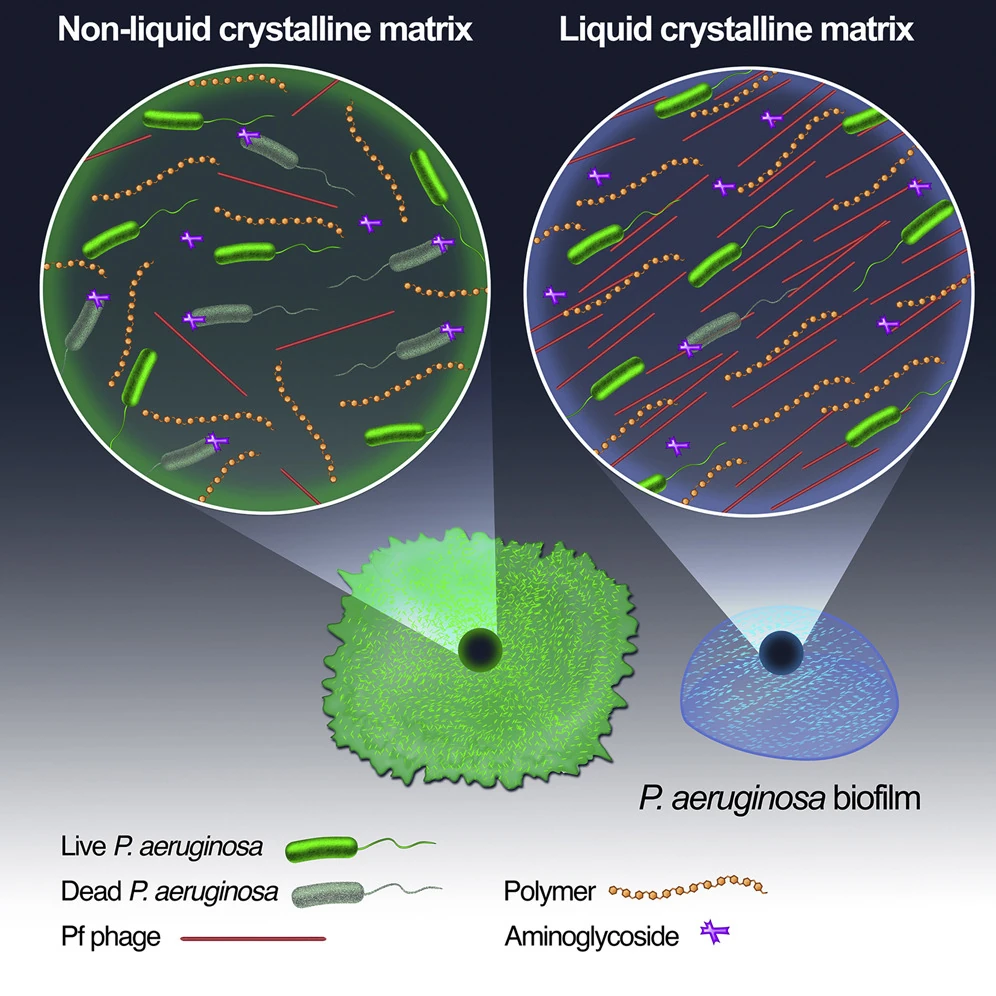
Specifically, Pseudomonas aeruginosa bacteria make Pf phages, which are rod-shaped, negatively-charged, and measure about 2 micrometers in length (roughly the length of an E. coli cell). These phages leave the cells and enter their surroundings. There, they mix with polymers, also secreted by the cells, to form a crystalline matrix.
Surprisingly, this is good for the cells. Although the phages kill some of them, it also makes their biofilms stickier and able to withstand certain antibiotics. These bacteria + phages are prevalent in cystic fibrosis patients; they've formed a sort of symbiotic relationship.
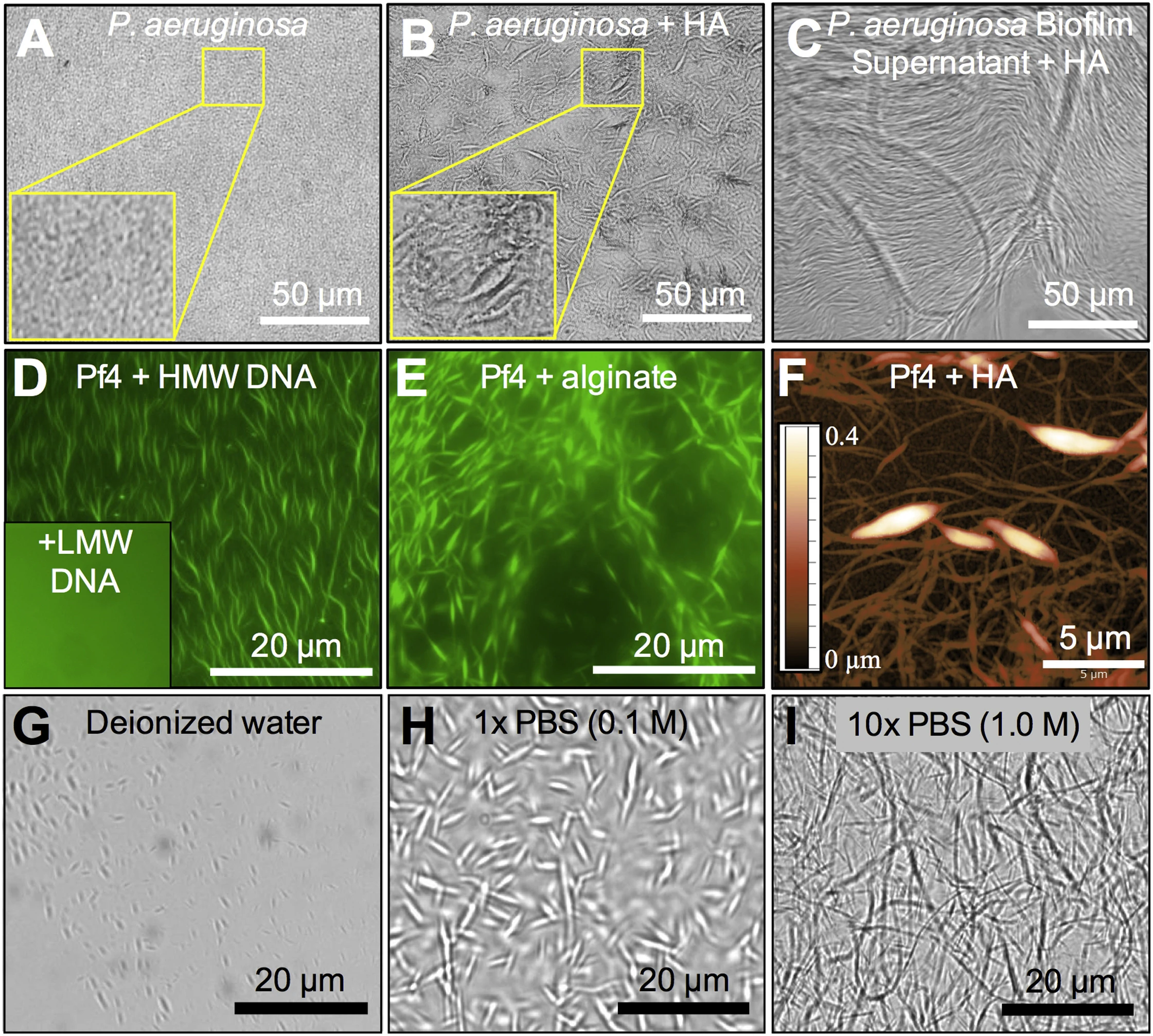
The Pf phages are made from thousands of repeating copies of a coat protein, called CoaB, which wraps around a single-stranded, circular DNA genome. These genes are integrated directly on the bacterial chromosome.
The bacteria “turn on” these phage genes when placed in a viscous environment with low oxygen levels. This is like a trigger to start forming a biofilm. And the cells make a lot of phages; about 100 billion per milliliter.
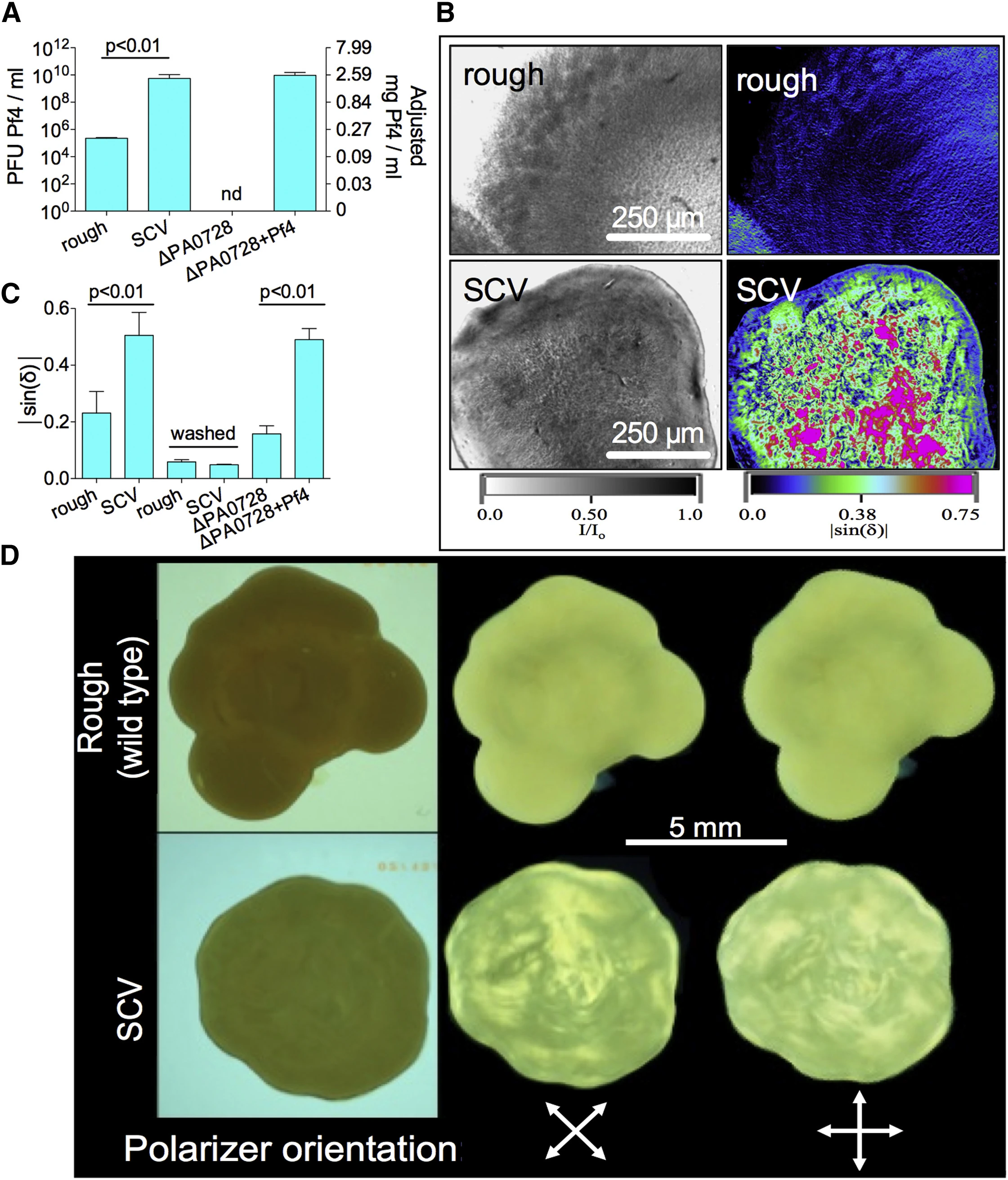
These liquid crystals form because of a physics principle called “depletion attraction.” If you just mix a bunch of loose or flexible polymers together (such as long carbon chains) they will not form a liquid crystal. But if you mix stiff rods (the phages) with loose polymers at a high enough concentration, the polymers will force the phages close together to create a material that flows like a liquid despite being ordered like a crystal. See the video below.
These liquid crystal biofilms are hard to get rid of. The negatively-charged phages block many antibiotics (like aminoglycosides, which are positively-charged) from entering cells. Liquid crystals also retain water, so these biofilms can survive on drier surfaces.
Paper: Filamentous Bacteriophage Promote Biofilm Assembly and Function
-
"Although Max Delbrück held some anti-reductionist views; he conjectured that ultimately a paradox—akin perhaps to the waveparticle duality of physics—would be revealed about life."
Max Debrück and some members of the Phage group at Caltech in 1949.
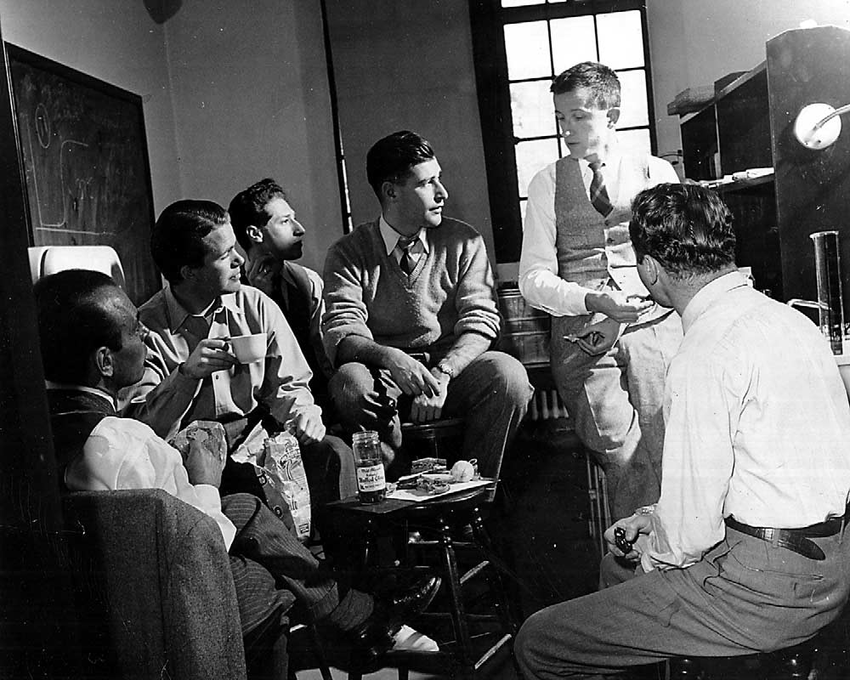
Interview with Delbrück, 1980
-
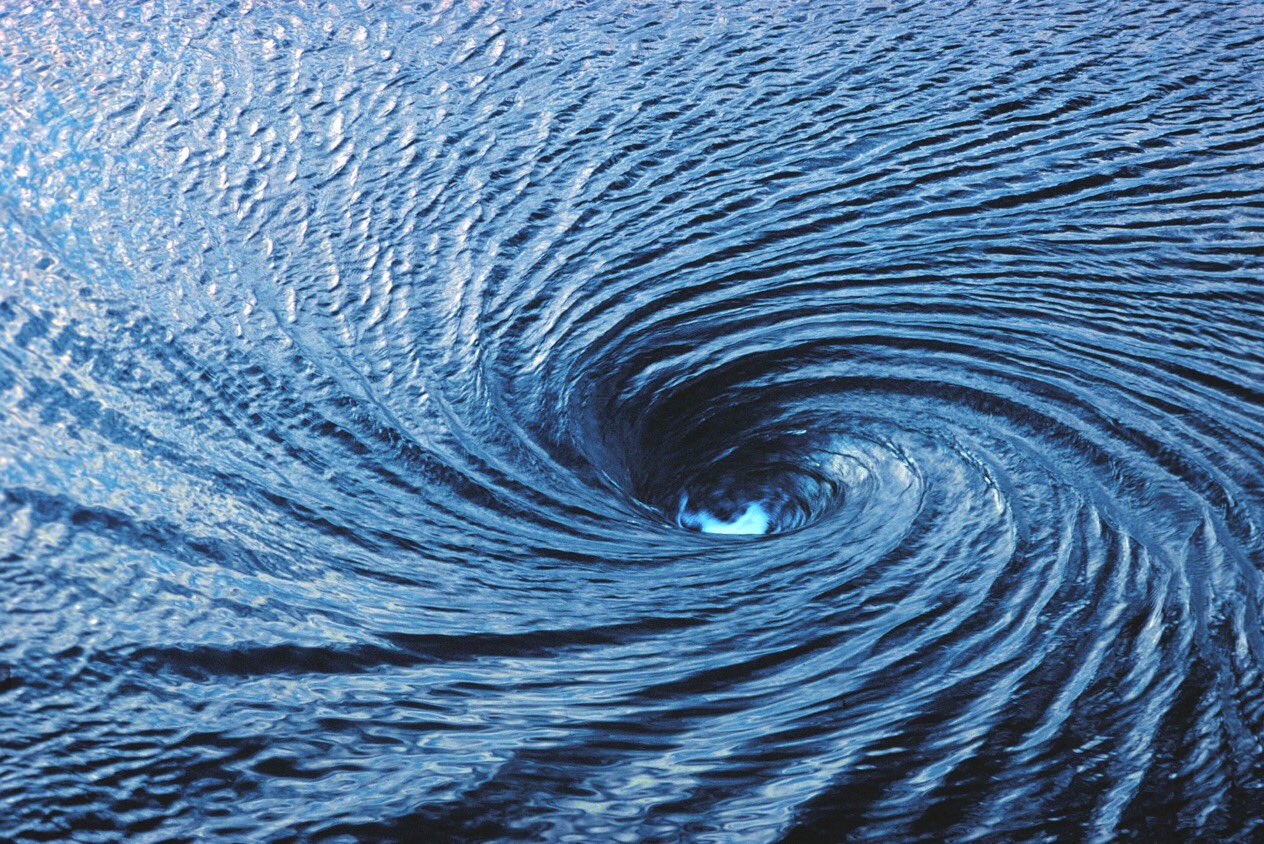
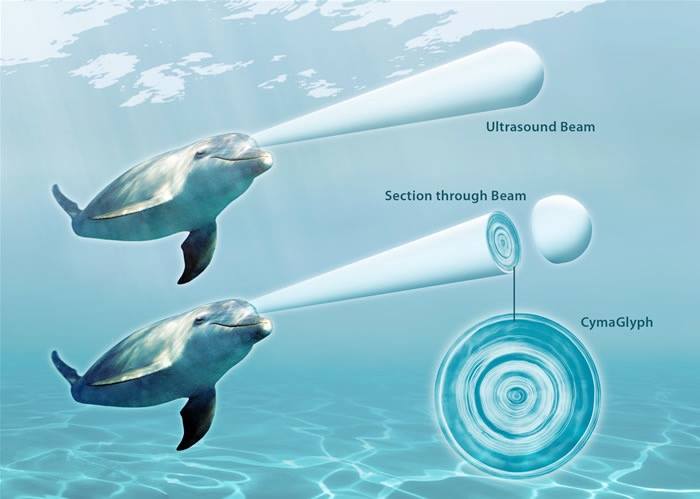
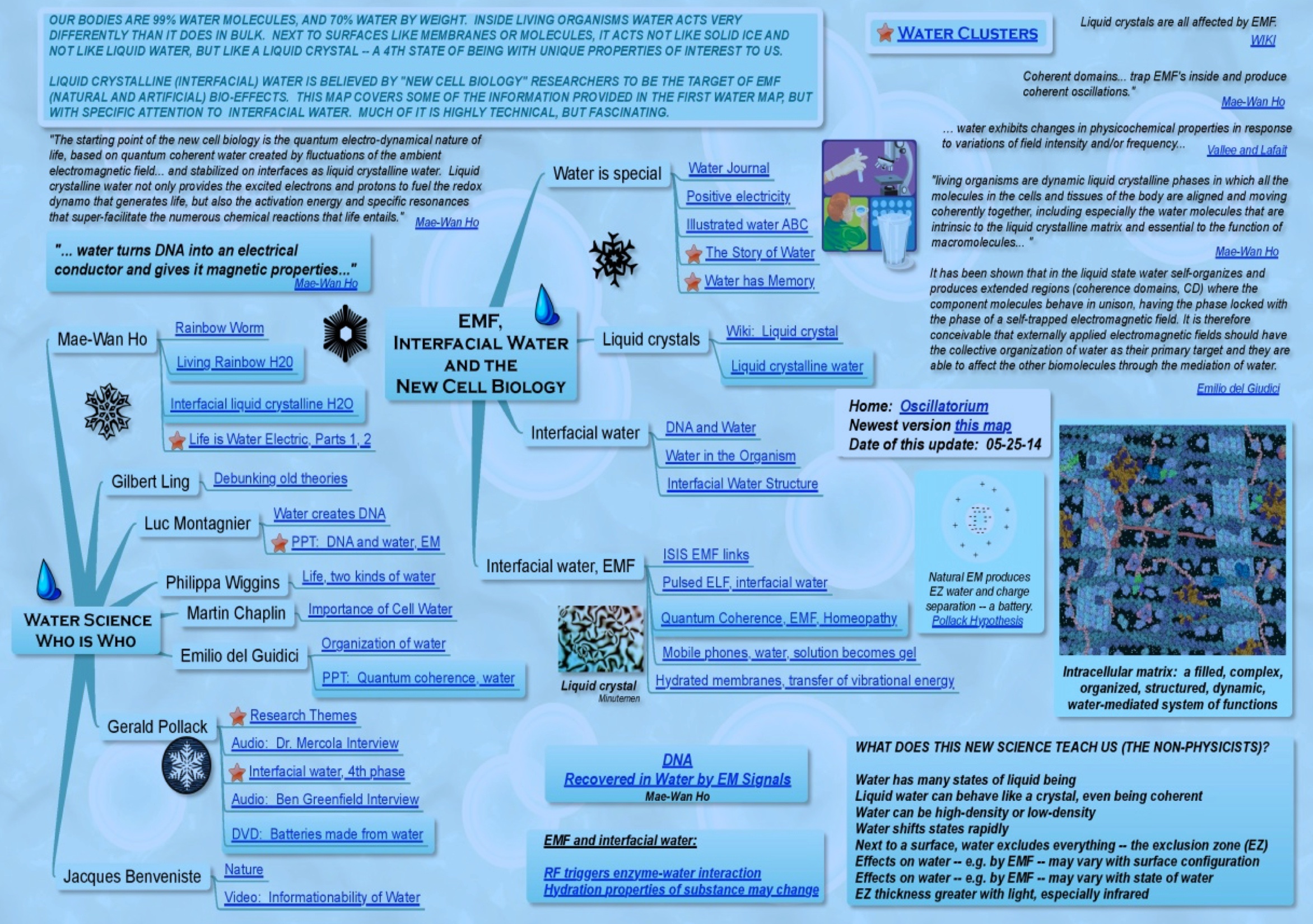
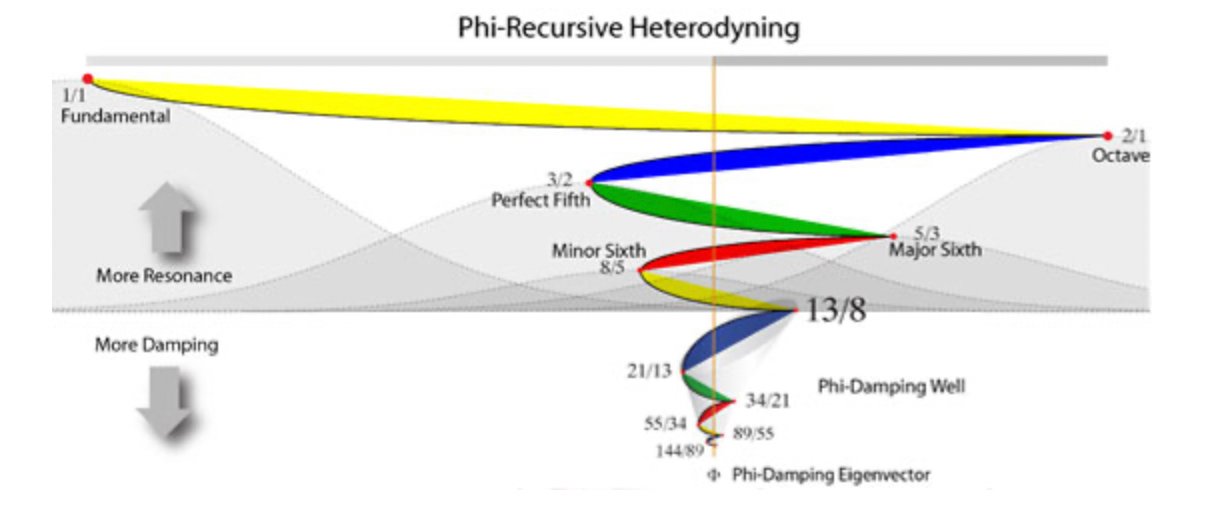
I just met Denis Noble at the royal institute last week and heard his fascinating short lecture on "Chemistry of Life begins with Water"
-
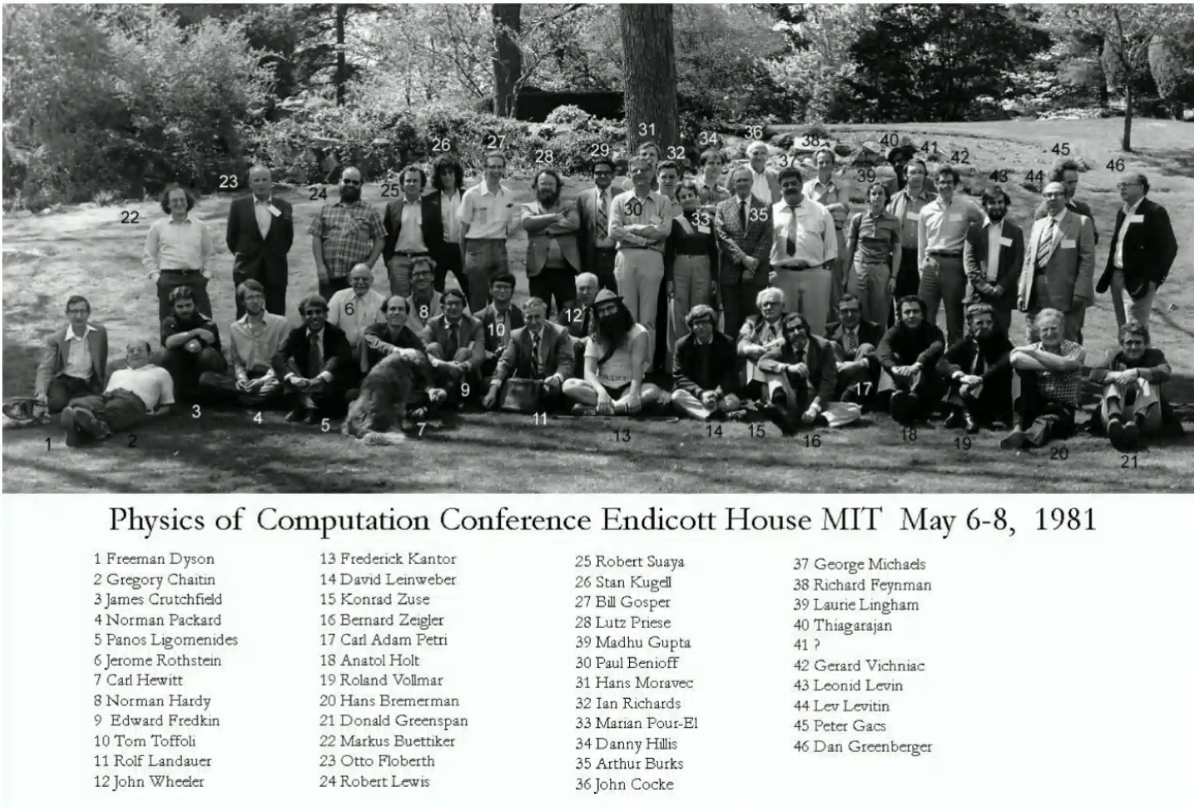
Information Mechanics, Programmable matter, Reversible Computing and Cellular Automata - The life of Tommaso Toffoli & Norman Margolus
Two Papers, of countless: Programmable matter: Concepts and realization - Tommaso Toffoli, Norman Margolus (1991) - Programmable matter methods - Tommaso Toffoli (1999)
Recent Talks by the giants in the field:
The gift of invertibility, in math, physics, and cellular automata by Tommaso Toffoli (2024)
Information Mechanics: Then and Now by Norman Margolus (2024)
#ML #Technology #Science #Complexity #ALife #Biology #NeuroScience
-
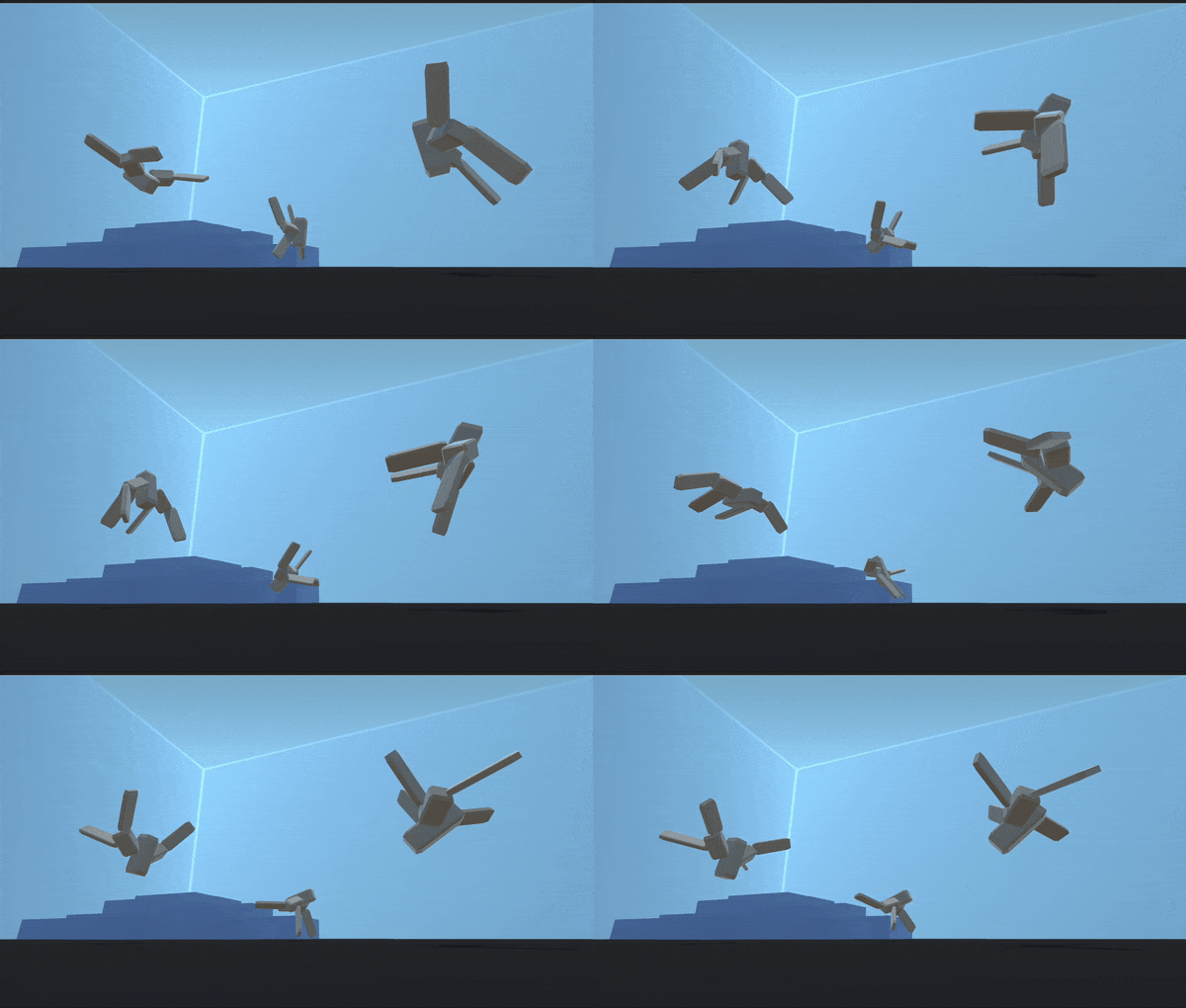
"The Simsulator: An interactive evolved virtual creature testbed" (Code)
31 years after Karl Sims' legendary work, the creatures are finally evolving again — and now you can run it at home. A dream of mine for over a decade.
-
Eating gamma radiation for breakfast: Some fungal species appear to be able to use strong radiation as an energy source for growth.
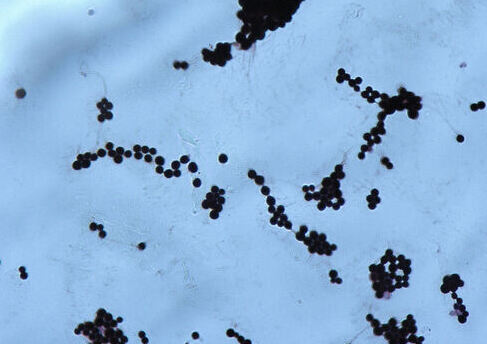
Could the fungi be using the extremely high-energy gamma radiation as an energy source in the same way that plants use sunlight?
The key to it all seemed to be melanin – the ubiquitous group of pigments found in many types of eukaryote that protect against UV radiation
Many fungal fossils show evidence of melanisation, especially in periods of high radiation when many animal and plant species died out
Could you replace them with plants or fungi that use melanin instead of chlorophyll?
-
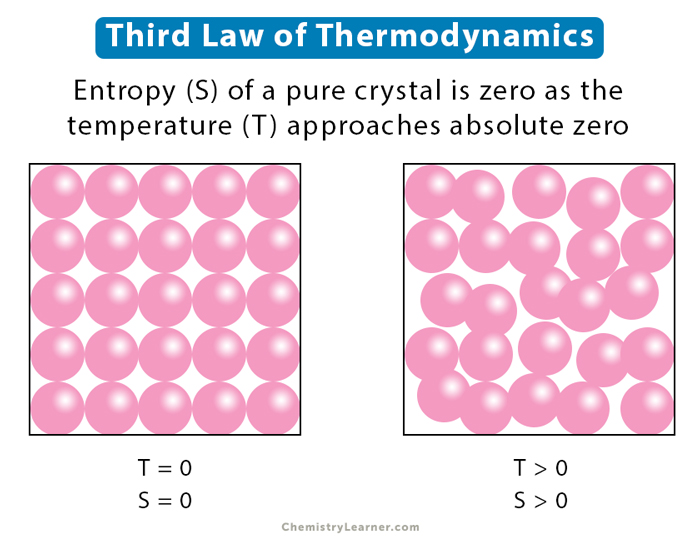
Organism feeds upon is negative entropy
“What an organism feeds upon is negative entropy. Or, to put it less paradoxically, the essential thing in metabolism is that the organism succeeds in freeing itself from all the entropy it cannot help produce while alive.” - Erwin Schrödinger, What is Life? (1943)
Entropy, the measure of a system’s thermal energy per unit temperature that is unavailable for doing useful work. Because work is obtained from ordered molecular motion, the amount of entropy is also a measure of the molecular disorder, or randomness, of a system.
“Entropy requires no maintenance.” — Robert Anton Wilson