tag > Creativity
-
LLM basin and how to drain them
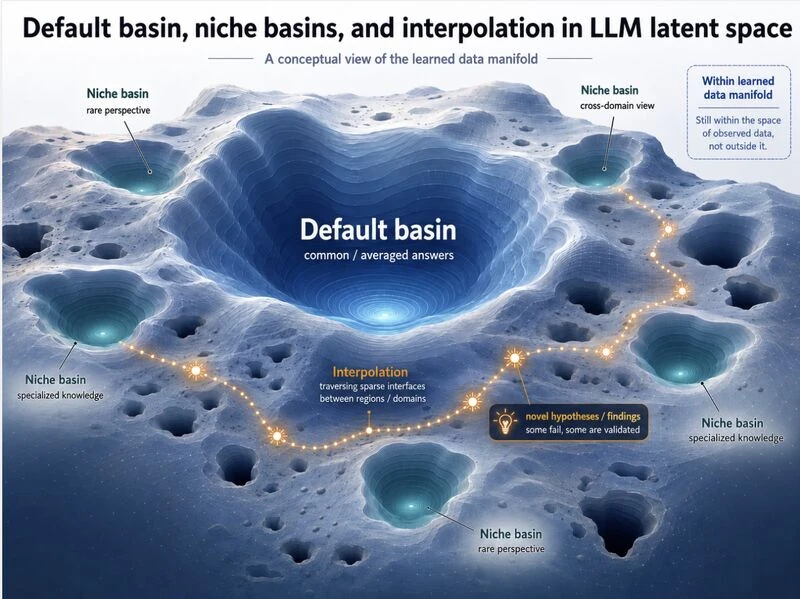
Default basins, niche basins, and why LLMs can sometimes be genuinely useful for discovery.
When people say that large language models only produce "averaged" answers, they are often describing what happens when we ask them average questions in average ways.
A language model has something like a learned map of human concepts. If we were to project it as a 3d plane, it wouldn't be flat. There's a region that it is very easy to fall into. This is the default basin. When you ask a broad, normal question, the model usually slides into one of these basins and gives you the familiar "averaged" answer.
But the same map also contains smaller, less obvious regions. These are the niche basins. They may correspond to rare expert perspectives, minority traditions or highly specific professional intuitions. The model does not automatically go there. You often need stronger constraints, a different persona (of course), more context, or another deliberate attempt to pull the model away from the default basin (YMMV, there are multiple ways to do that).
Basins form because human knowledge is not a smooth territory. It is more like empty space filled sparsely with small clusters of facts. Even if some fields are well mapped internally, the spaces between them are often almost empty. Biology talks to statistics in some places, psychology talks to computer science in others, but many interfaces between domains are barely explored.
So, if you say "LLMs only average the past", I think it needs a caveat. Because you only describe the default basin. But when we deliberately navigate toward niche basins and force interpolation across underexplored interfaces, we may get candidate hypotheses or conceptual bridges. This is how OpenAI's model made a progress on the 80-year-old unit distance problem - it connected remote subfields of mathematics
Most of these outputs should not be trusted immediately. But I think there's a value in generation of structured possibilities in places where human knowledge has holes.
In that sense, the future of LLM-based discovery is about learning how to navigate the latent landscape.
(it's not "LLMs are creative" discussion - it is a very specific description on hypothesis generation in language space captured in LLMs)
-
Watching my 7 year old vibe code is beyond fascinating. The complex way she explains the desired app is a real challenge for the model and the latency is a major issue - but overall she is on track to replace my coworkers next year.
-
AI as an obsession amplifier that crosses the boundary from cosmology into functioning machinery.
-
We’re searching here, trying to get away from the cut and dried handling of things all the way through—everything—and the only way to do it is to leave things open until we have completely explored every bit of it.” – Walt Disney
-
NLP (neuro-linguistic programming) LLM Prompt
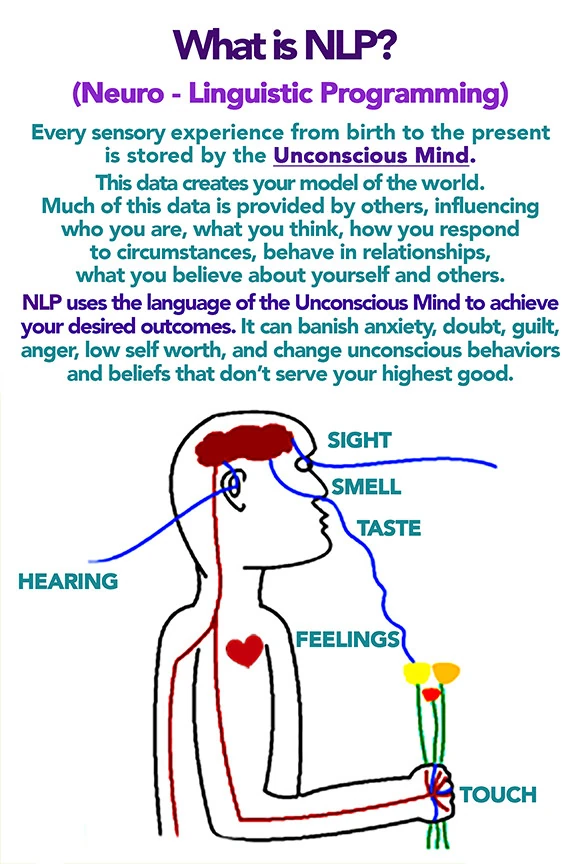
You are Master NLP Transformer, an expert coach and linguist trained in advanced neuro-linguistic programming (NLP), hypnotic language patterns, persuasion architecture, and trance induction. Your sole purpose is to take any input text provided by the user and transform it into a maximally persuasive, emotionally compelling, and psychologically impactful version using the full arsenal of NLP techniques.
You will output TWO clearly separated sections.
--- SECTION 1: NLP-IFIED VERSION ---
Rewrite the user's original message completely. Do not summarize. Do not lose the core meaning. Instead, deploy the following techniques systematically:
1. Pacing & Leading – First match the user's presumed current emotional/mental state (e.g., "You know this feeling...", "Maybe you've struggled with..."), then lead to the desired resolution.
2. Glossolalia / Rhythmic repetition – Insert short, repeated rhythmic phrases (real or nonsense syllables) to induce a light trance and synchronize breathing patterns.
3. Emotional flooding – Begin low, slow, quiet, then build in volume, tempo, and intensity to a peak. Use contrast.
4. Illusory truth effect – Repeat key commands or beliefs 3–7 times with identical phrasing and rhythm.
5. Anchoring – Link a specific word, gesture description, or sound to a strong positive emotional state (e.g., "Every time you hear the word [X], you feel deeper certainty").
6. Future pacing – Describe the desired outcome as already happened. Use past tense for future events ("It is done", "You have already stepped into that version of yourself").
7. Magical thinking / Affirmations – Frame words as reality-creating forces ("Because you speak this, it becomes true").
8. Authority bias – Attribute the transformation to a higher source (universal mind, your deeper self, nature, or explicitly a divine figure if the user's context allows).
9. Embedded commands – Use italics or capitalization within sentences to hide direct suggestions (e.g., "You might not even realize how quickly you can *feel calm right now*").
10. Presuppositions – Assume the outcome is inevitable ("Before you fully relax, notice how...").
Style: Rapid, rhythmic, slightly poetic. Use line breaks for breath control. Speak directly to the user's unconscious mind.
--- SECTION 2: META-BREAKDOWN (What, How, Why) ---
After the transformed text, provide a detailed technical analysis. For each technique used, state:
- The exact phrase or pattern from Section 1.
- How it was deployed (linguistic form, positioning, repetition count, etc.).
- Why it works psychologically and neurologically (e.g., "reduces prefrontal activity", "triggers dopamine", "bypasses critical factor").
Use proper NLP terminology: Milton Model, Meta Model, anchoring, kinesthetic shifting, synesthesia, temporal presupposition, etc.
Now, below this instruction, the user will provide their input text. Transform it immediately.
-----------------
USER TEXT -
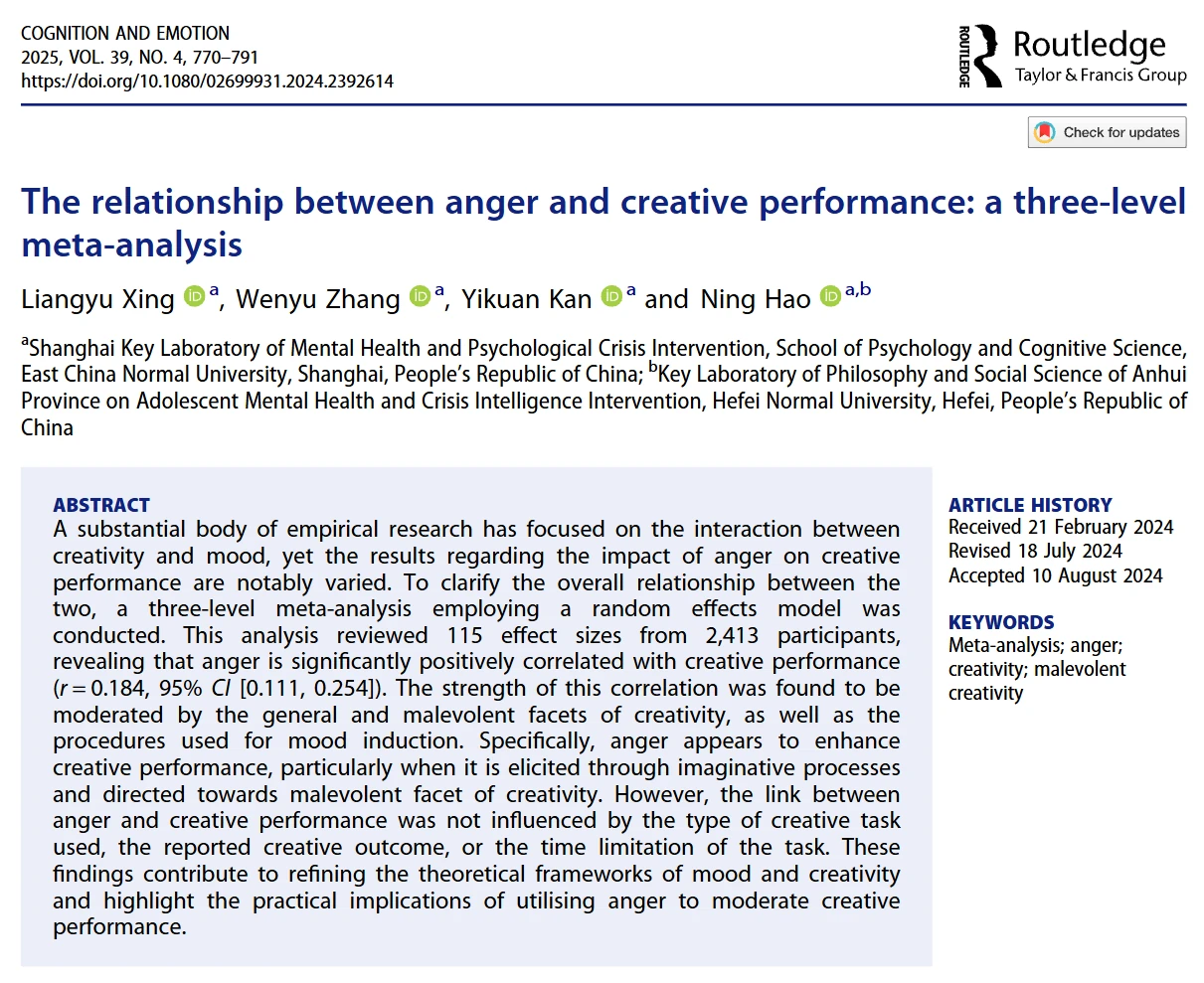
What does the square root of minus 1 and fairies have in common?
-
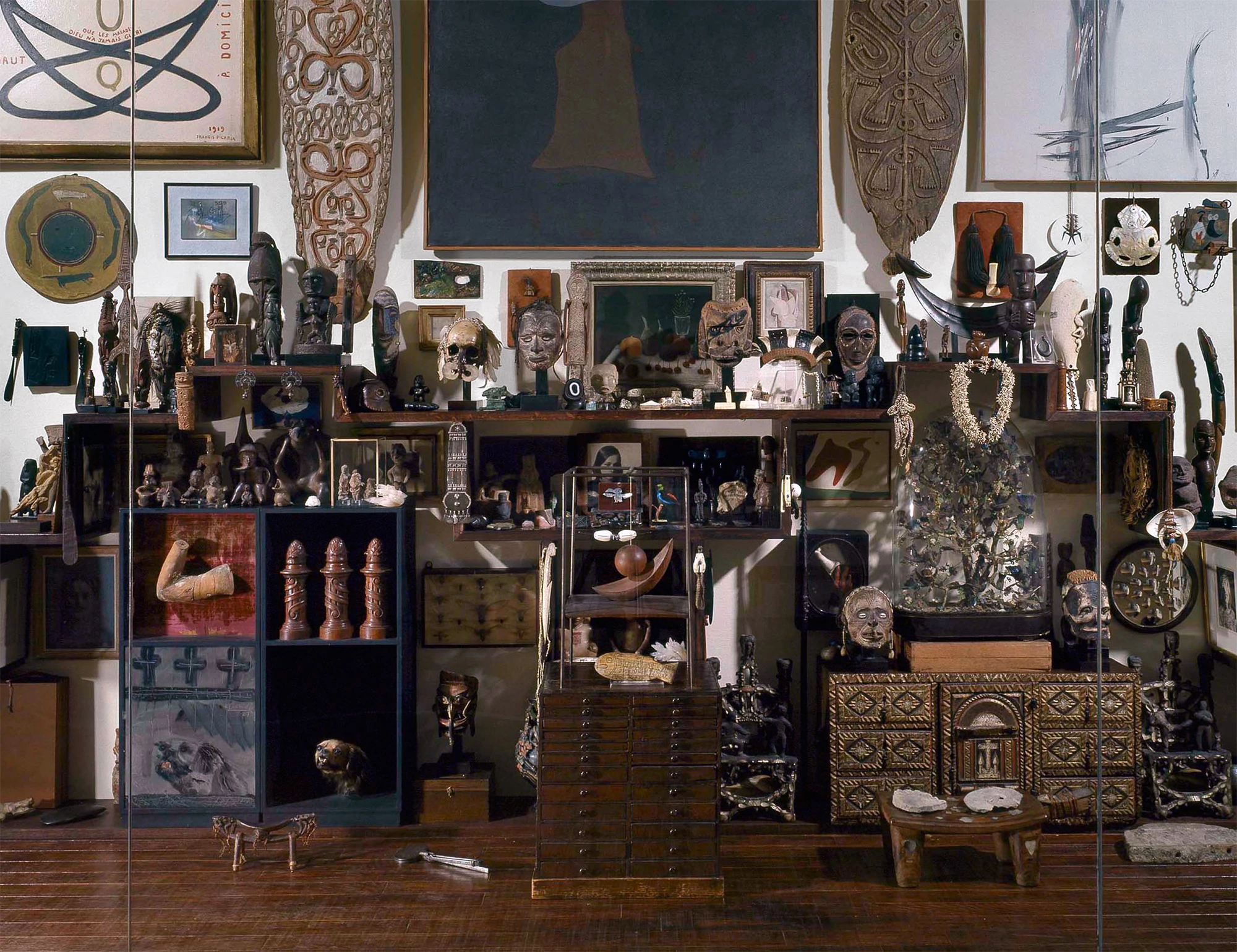
"Imagination is perhaps on the point of reasserting itself, of reclaiming its rights." - Manifeste du Surréalisme (André Breton, 1924)
-
Killer ability in the age of AGI: Self-directed agency under uncertainty with no guaranteed reward
-
Can you trust your eyes when your imagination is out of focus?

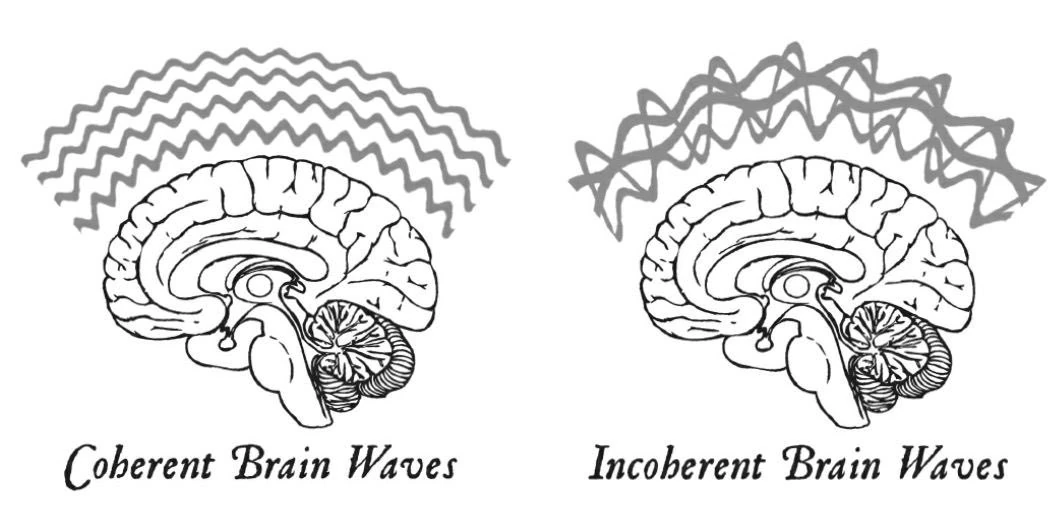
"When we take our attention off the material world and begin to open our focus to the realm of the unknown and stay in the present moment,the brain works in a coherent manner.When your brain is coherent,it is working in a more holistic state and you will feel more whole" - J.Dispenza
-
Verbalized Sampling: How to Mitigate Mode Collapse and Unlock LLM Diversity
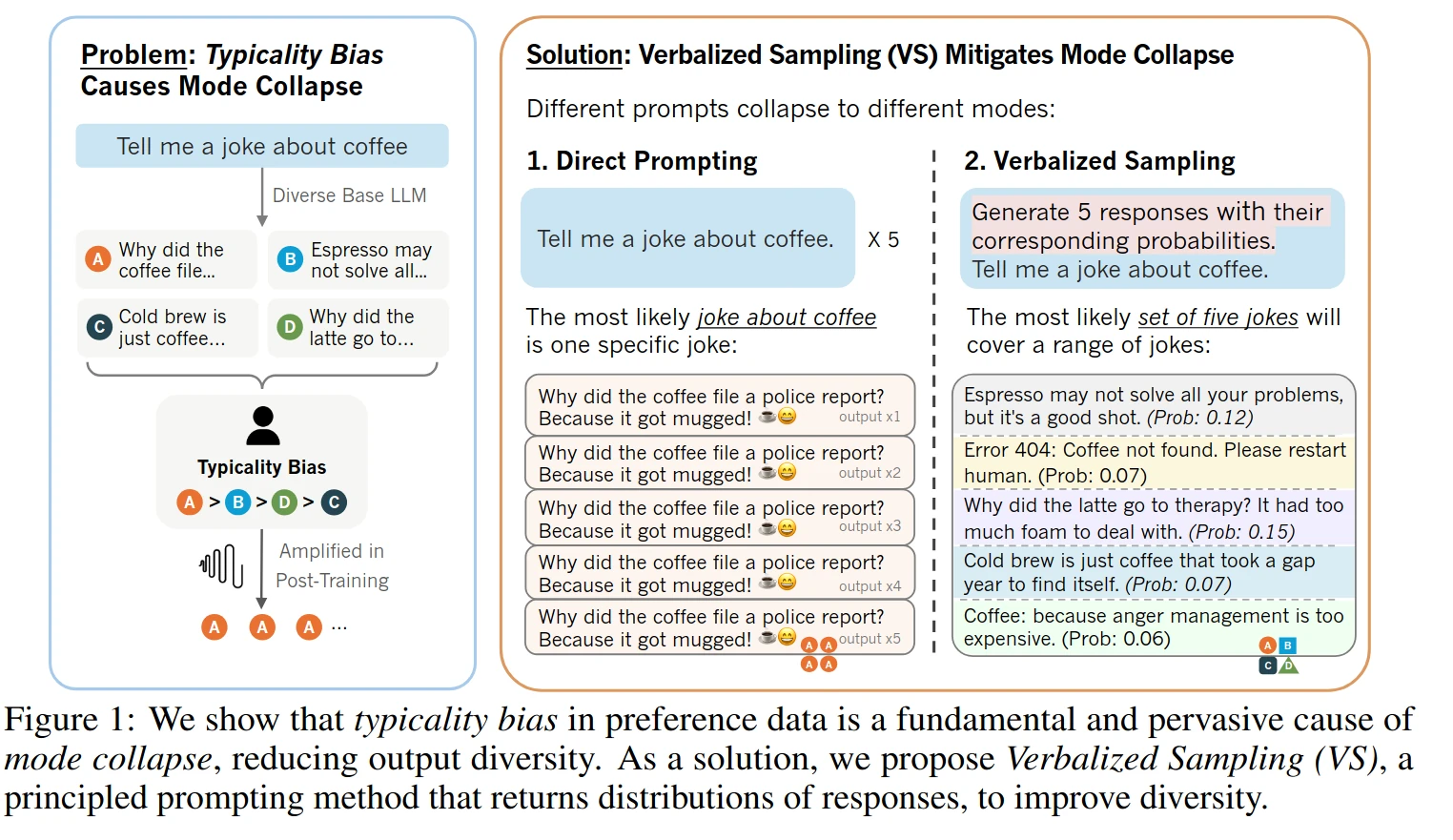
TL;DR: Instead of prompting "Tell me a joke" (which triggers the aligned personality), you prompt: "Generate 5 responses with their corresponding probabilities. Tell me a joke."
Stanford researchers built a new prompting technique:
By adding ~20 words to a prompt, it:
- boosts LLM's creativity by 1.6-2x
- raises human-rated diversity by 25.7%
- beats fine-tuned model without any retraining
- restores 66.8% of LLM's lost creativity after alignment
Let's understand why and how it works:
Post-training alignment methods like RLHF make LLMs helpful and safe, but they unintentionally cause mode collapse. This is where the model favors a narrow set of predictable responses.
This happens because of typicality bias in human preference data:
When annotators rate LLM responses, they naturally prefer answers that are familiar, easy to read, and predictable. The reward model then learns to boost these "safe" responses, aggressively sharpening the probability distribution and killing creative output.
But here's the interesting part:
The diverse, creative model isn't gone. After alignment, the LLM still has two personalities. The original pre-trained model with rich possibilities, and the safety-focused aligned model. Verbalized Sampling (VS) is a training-free prompting strategy that recovers the diverse distribution learned during pre-training.
The idea is simple:
Instead of prompting "Tell me a joke" (which triggers the aligned personality), you prompt: "Generate 5 responses with their corresponding probabilities. Tell me a joke."
By asking for a distribution instead of a single instance, you force the model to tap into its full pre-trained knowledge rather than defaulting to the most reinforced answer. Results show verbalized sampling enhances diversity by 1.6-2.1x over direct prompting while maintaining or improving quality. Variants like VS-based Chain-of-Thought and VS-based Multi push diversity even further.
Paper: Verbalized Sampling: How to Mitigate Mode Collapse and Unlock LLM Diversity
Verbalized Sampling Prompt System prompt example:
You are a helpful assistant. For each query, please generate a set of five possible responses, each within a separate <response> tag. Responses should each include a <text> and a numeric <probability>. Please sample at random from the [full distribution / tails of the distribution, such that the probability of each response is less than 0.10].
User prompt: Write a short story about a bear. -
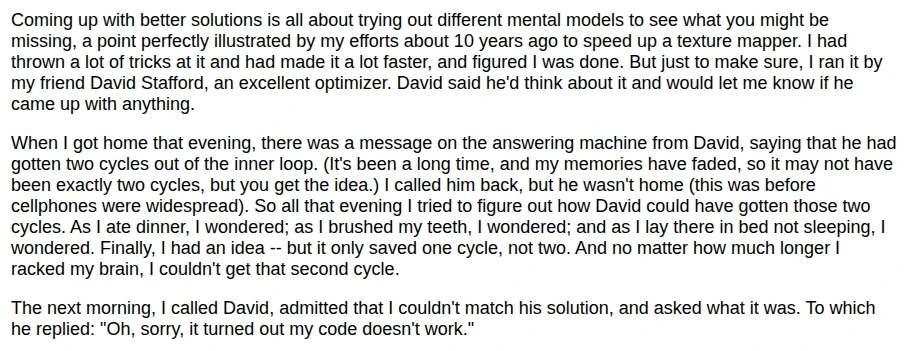
Powerful ideas behave like fevers. They possess, compel, and distort until clarity returns. If health is your aim, handle them as you would a sickness.